
A recent survey by the Entertainment Software Association (ESA), published in the 2025 Power of Play Report, polled 24,216 people across 21 countries and six continents. One of the most striking findings is that the average gamer age is now 41 years old.
That number alone challenges the long-standing stereotype that gaming is mainly for teenagers. In reality, the average gamer age has been steadily rising for years as the generation who grew up with consoles and PCs has simply kept playing.
The report also found the gender split among players is almost equal: 51% men and 48% women, with a small percentage identifying as non-binary or preferring not to say.
The Average Gamer Age Is Rising
The fact that the average gamer age is now 41 says a lot about how gaming has evolved.
Gaming is no longer something people “grow out of”. Instead, it has matured alongside its audience. The people who played early consoles in the 1980s and 1990s are now in their 30s, 40s, and 50s, and many of them are still playing regularly.
That shift is also changing the kinds of games people gravitate towards. Narrative-driven stories, cosy simulations, slower-paced exploration games, and thoughtful strategy titles are becoming more visible and more successful.
You can see this reflected in the popularity of games like Stardew Valley, Pentiment, and Dredge, which appeal strongly to older players who enjoy atmosphere, storytelling, and depth.
(If you enjoy those kinds of games, you might also like our guide to cosy games for more mature players.)
Why Adults Are Gaming More Than Ever
The Power of Play report also asked players why they game. The answers show that the reasons adults play games often go far beyond simple entertainment.
Top reasons people play:
- Fun / enjoyment – 66%
- Stress relief / relaxation – 58%
- Mental engagement / keeping the brain sharp – 45%
Beyond those headline results, the report also found:
- 81% say games provide mental stimulation
- 80% say gaming helps relieve stress
- 71% say gaming introduced them to new friends or relationships
- 64% say gaming helps them feel less isolated
When you look at those numbers, the rising average gamer age makes even more sense. Games provide relaxation, creativity, and connection at a stage of life when many people are juggling work, family, and responsibilities.
For many adults, gaming has become a legitimate and meaningful way to unwind.
What the Average Gamer Age Means for the Industry
The shift in demographics has big implications for both the gaming industry and gaming culture.
With the average gamer age now firmly in adult territory, developers are increasingly exploring themes and stories that resonate with older audiences.
We’re seeing more:
- Narrative-focused storytelling
- Cosy and reflective indie games
- Strategy and simulation titles
- Games centred on everyday life and relationships
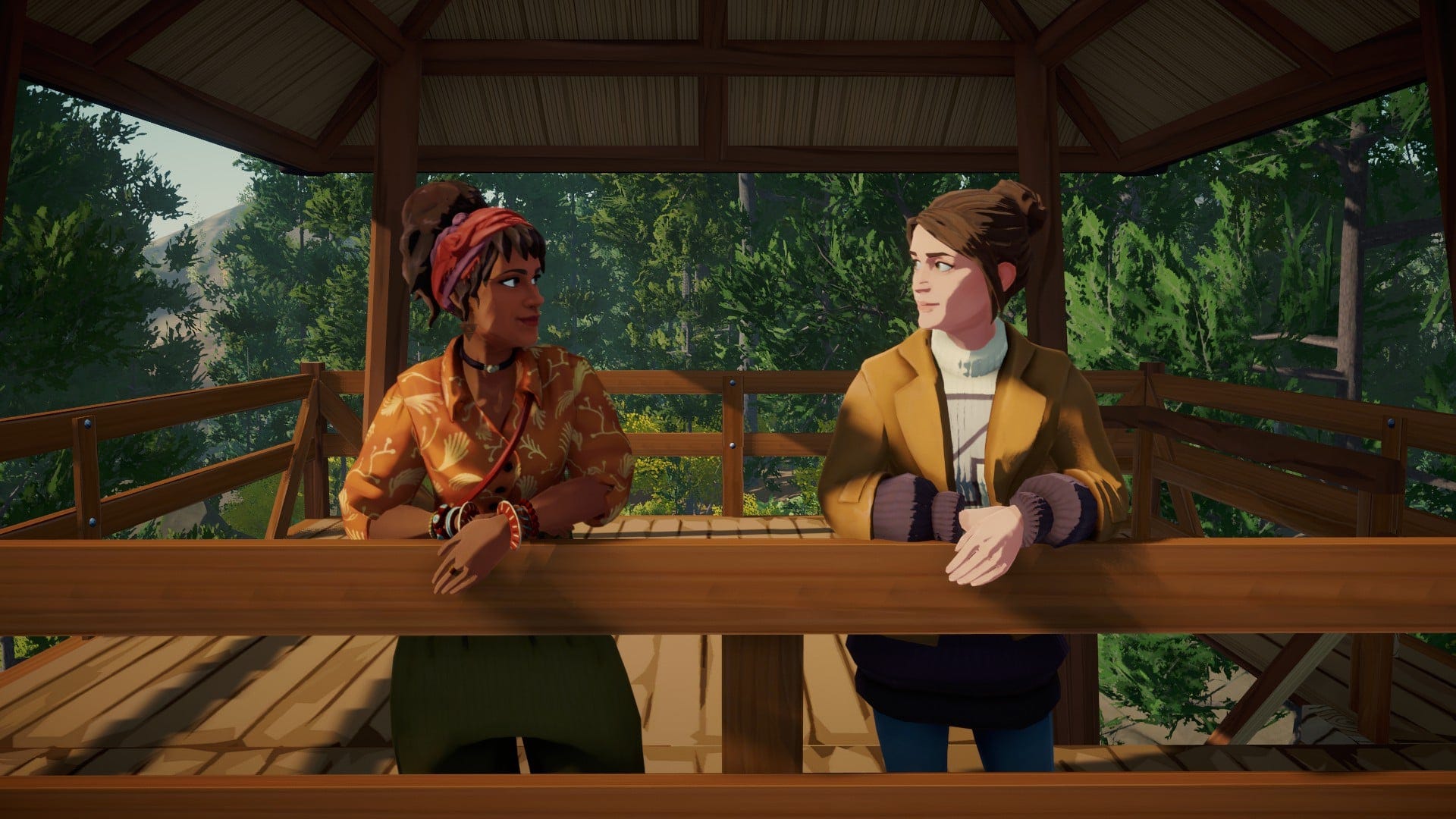
Representation is slowly improving as well. Characters who aren’t teenagers are appearing more often in modern games. For example, Meredith Weiss in Lake is a rare protagonist in her forties, something many adult gamers immediately recognised and appreciated.
That kind of representation matters when the average gamer age is 41, not 16.
Why the Average Gamer Age Matters to Me
As someone who writes about cosy games and gaming over 40, the statistic that the average gamer age is now 41 feels deeply relatable.
The old image of a gamer as a teenage boy with a headset simply doesn’t reflect reality anymore. Today’s players include parents, professionals, creatives, and people unwinding after a long workday.
You might be playing on a Switch, a Steam Deck, or your PC after work. You might be relaxing with a cosy indie game instead of a competitive shooter.
Gaming has grown up alongside us.
If you’ve ever wondered whether you’re “too old” to be a gamer, the numbers say the opposite: you’re right in the middle of the community. And that’s one of the things that makes gaming such a welcoming space today.

Leave a Reply